
How long can a wild cotton-top tamarin live?
It’s a deceptively simple question. In human care, where food is consistent and predators are absent, cotton-top tamarins have reached an impressive 24 years of age. But in the tropical dry forests of northern Colombia—where survival depends on navigating predators, competition, climate, and social upheaval—longevity tells a different story. Because Proyecto Tití has been monitoring wild cotton-top tamarins at our long-term field site in Santa Catalina since 1998, we are uniquely positioned to understand what aging truly looks like in nature. And what we are discovering is both surprising and inspiring.
Setting the Benchmark: Tamara
For many years, one female defined what we believed was possible in the wild.
Tamara, the dominant female of Group 11, lived to 16 years 10 months of age, a remarkable milestone for a wild cotton-top tamarin. Over more than a decade, she gave birth to 27 offspring, anchoring her group with consistency and quiet authority. She and her mother were evicted from her natal group, tried to enter another group and failed but they manage to form Group 11 with Pacho and Reynaldo. While we thought Sara, Tamara’s mother would become the breeding female in the group, Tamara had other ideas. She evicted her own mother and remained as the breeding female of Group 11 throughout her life, raising generation after generation alongside her mate, Reynaldo.
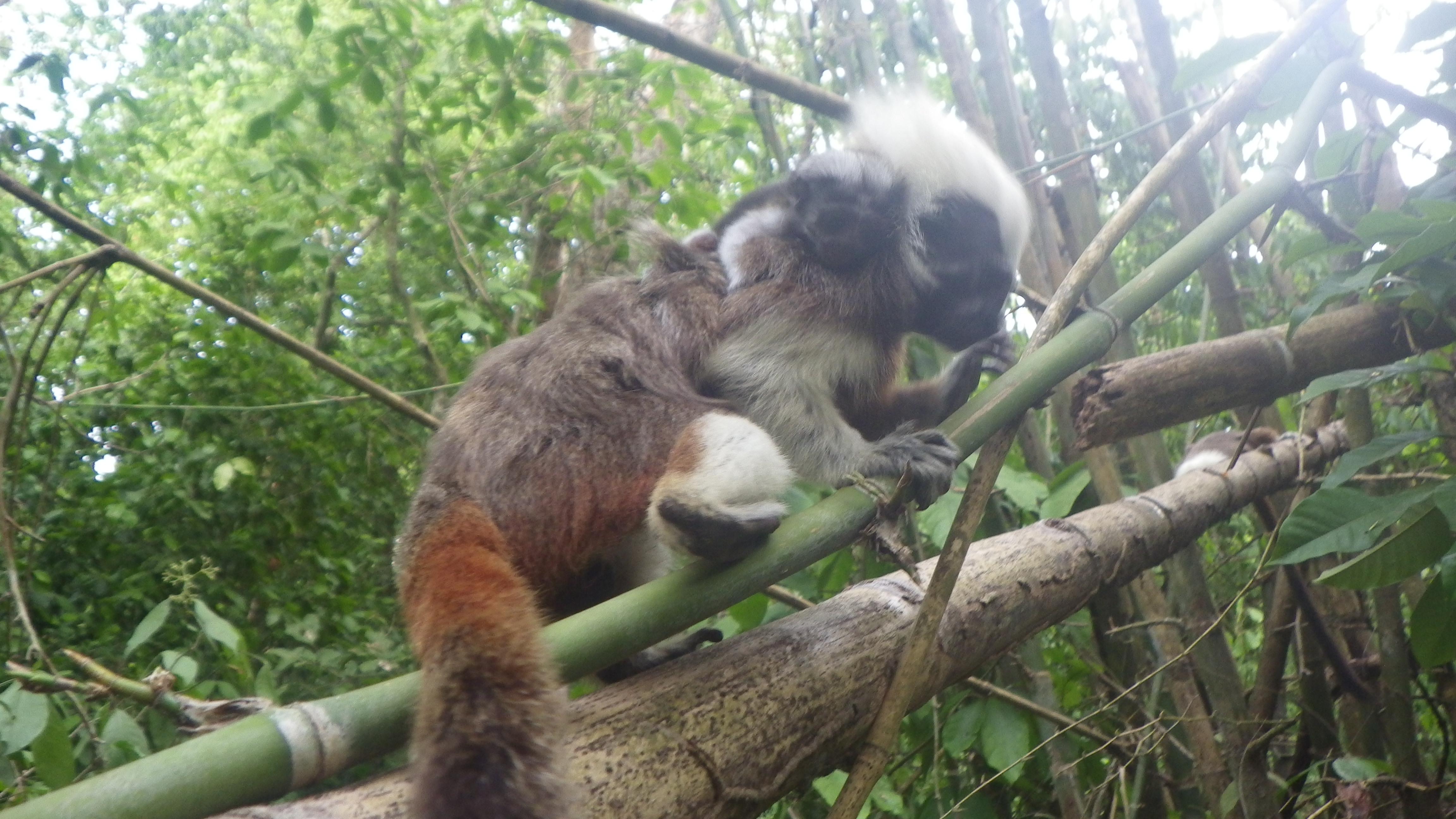
Tamara became our benchmark—for longevity, for leadership, and for reproductive endurance in the wild. At the time, an animal that was almost 17 years of age felt extraordinary.
Then came Isamira.
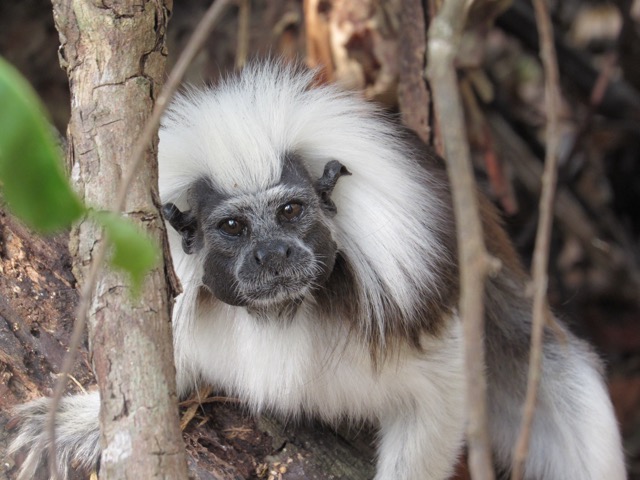
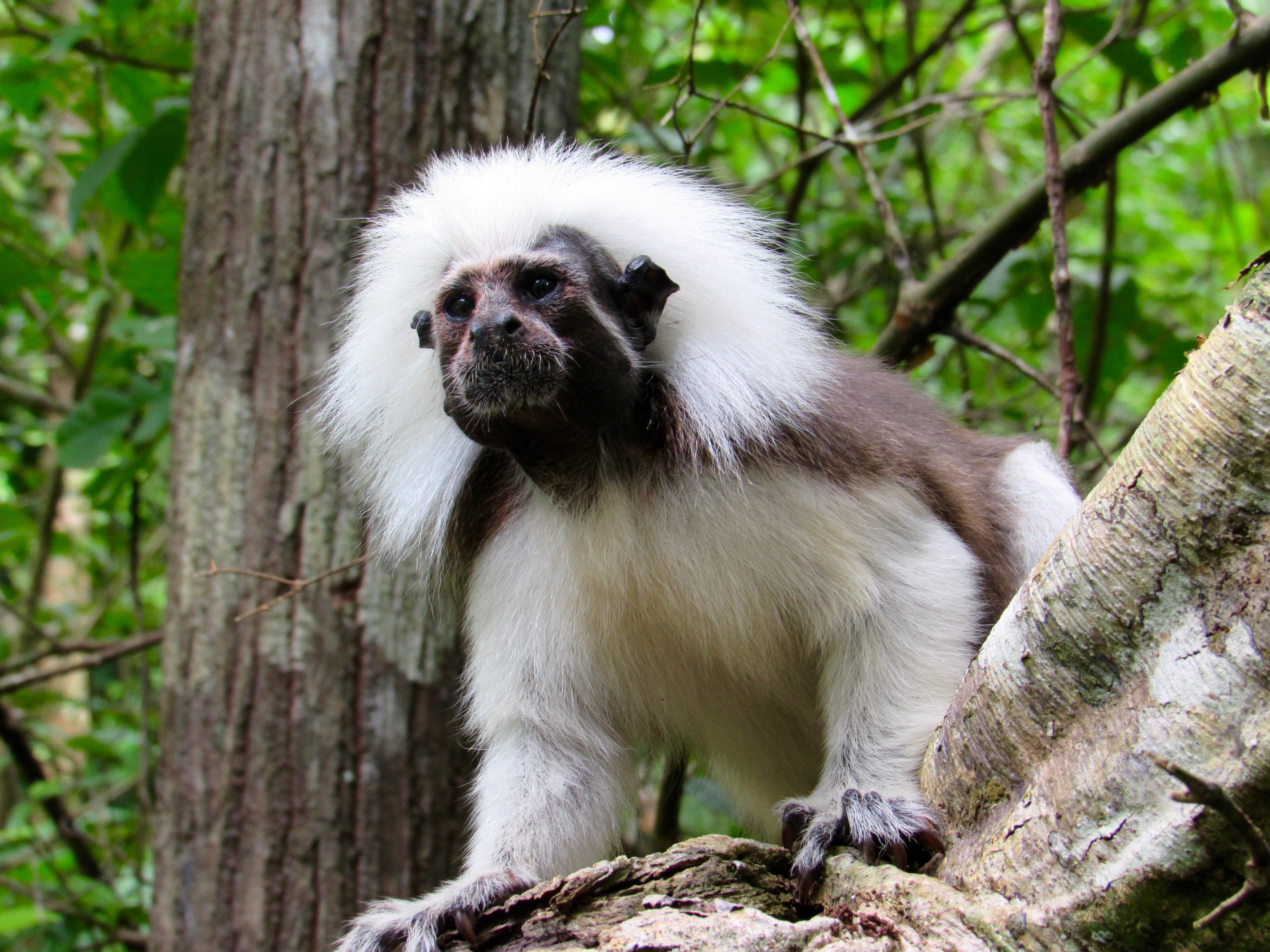
This is young Tamara This is old Tamara
Isamira: Redefining What’s Possible
First recorded in 2011 as an adult female capable of reproduction (meaning she had to be at least 1.5 years of age), Isamira is now at least 16+ years old, placing her among the oldest wild cotton-top tamarins ever documented. But her story is about more than age—it is about resilience.
Unlike Tamara’s steady life within a single group, Isamira’s path has been shaped by dramatic change. She began as the breeding female in Group SPTR, raising offspring with her mate Jerry Jr. Then, in 2017, she made a bold move—entering a new group, displacing the resident female, and establishing herself as the dominant breeder. And she didn’t just maintain her position—she thrived.
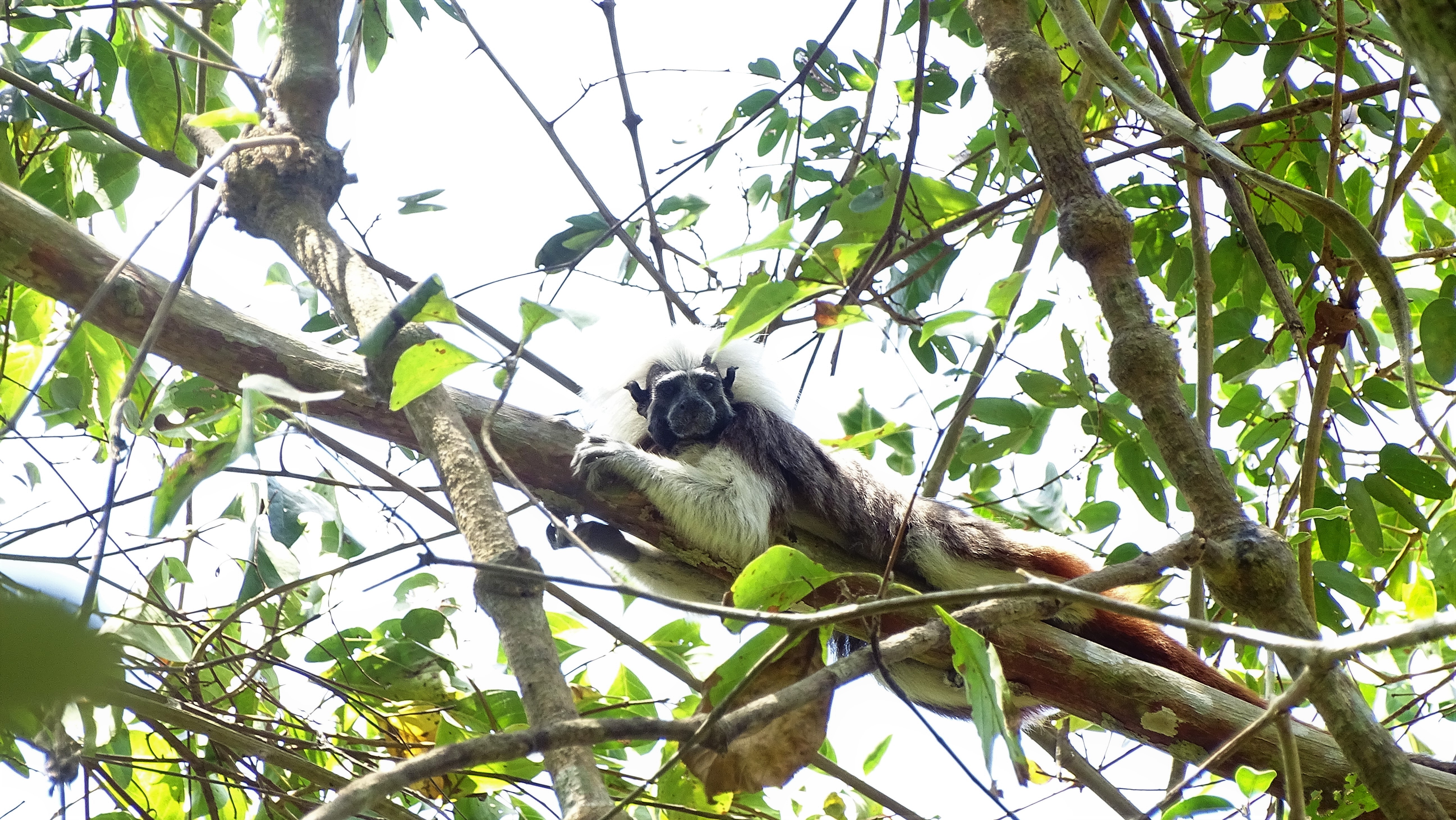
This is Isamira in 2021
Isamira has now produced more offspring than any other female in our long-term study. Even more astonishing, she became the first wild female ever recorded giving birth to triplets—and has gone on to produce multiple triplet litters, including consecutive sets in recent years.
In managed care, female cotton-top tamarins often show declining fertility around age 13. Births become less frequent, and reproduction typically slows. But wild females like Támara—and now Isamira—challenge that expectation. At an age when fertility is expected to decline, Isamira continues to reproduce successfully, maintain dominance, and raise infants in a complex and demanding forest environment.
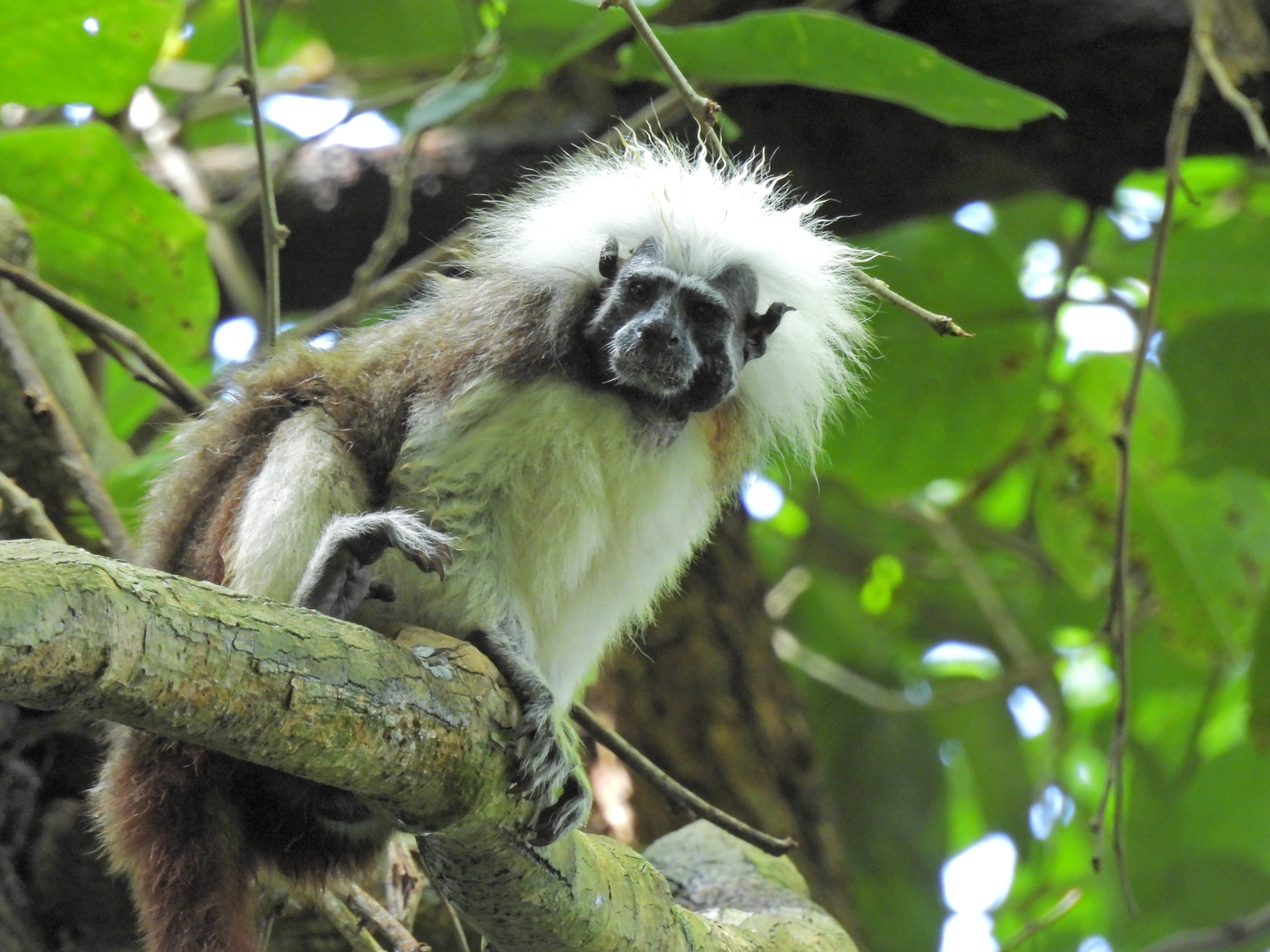
This is Isamira in 2024
Aging in the Wild vs. Managed Care
The contrast is fascinating.
In managed care, cotton-top tamarins can live longer—up to 24 years—but reproductive activity often slows earlier. In the wild, lifespans tend to be shorter, but some females remain reproductively active deep into their teens.
Why? We don’t yet have all the answers. It may be the result of natural social structures, physical activity, environmental stimulation, or ecological pressures that shape physiology in ways we are only beginning to understand. What we do know is this: without long-term monitoring, we would never see these patterns.
The Oldest Living Wild Male Cotton-top Tamarin
Longevity isn’t limited to females.
Jerry Jr., once Isamira’s mate, is now the oldest living wild male cotton-top tamarin at 16+ years, surpassing previous longevity records in our study. As he approaches his 17th birthday, he reminds us that aging in the wild is not simply about survival—it is about adaptation, flexibility, and persistence.
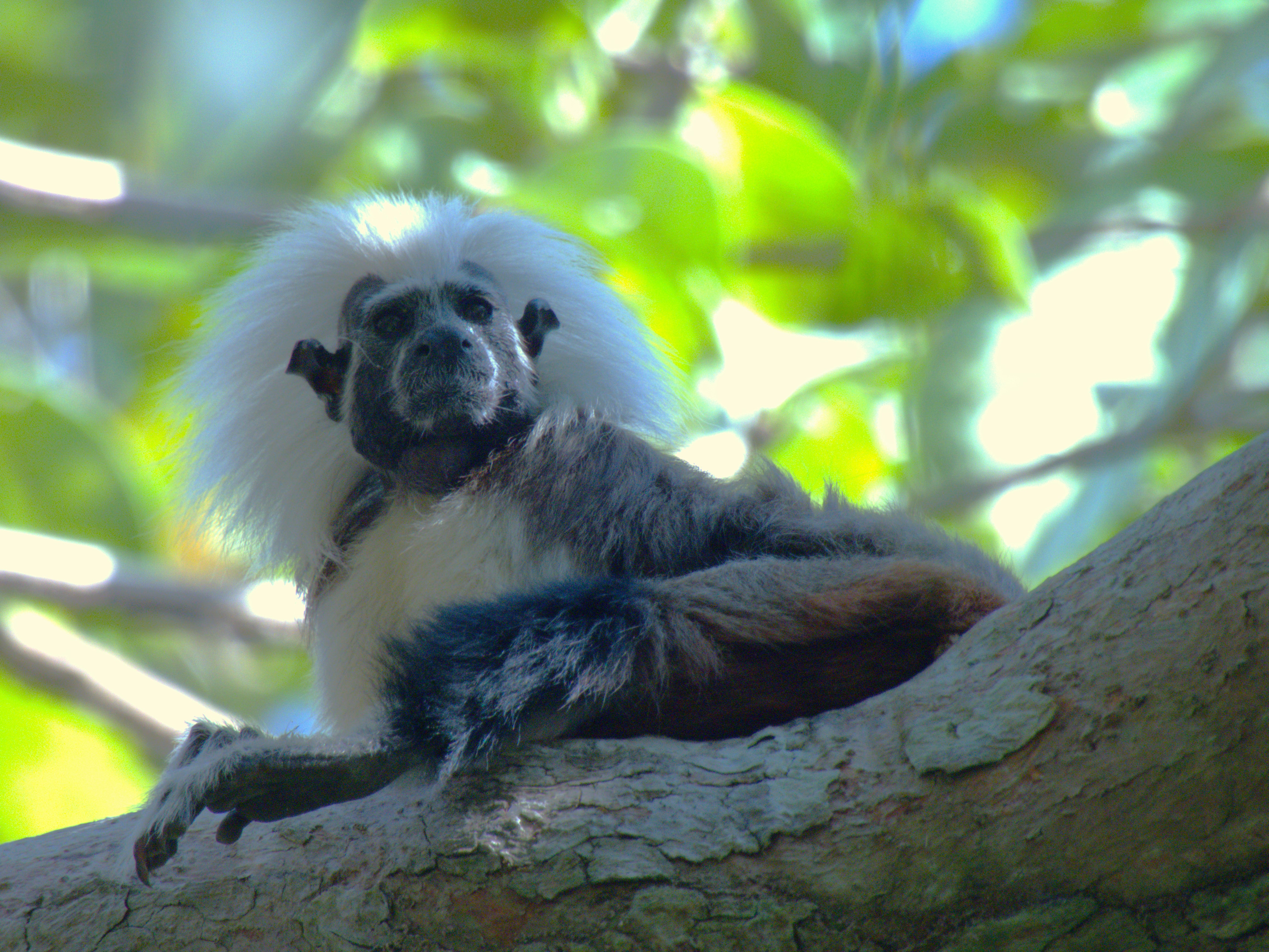

This is young Jerry Jr. This is old Jerry Jr.
Why Long-Term Research Matters
Most wildlife studies last only a few years. But life histories unfold over decades.
Because Proyecto Tití has committed to nearly 30 years of continuous monitoring, we can follow individuals from adulthood into old age. We can see how fertility changes. We can observe leadership transitions. We can document resilience. And sometimes, we can witness legends. Támara showed us what consistency looks like. Isamira is showing us that even in the wild, aging does not mean decline—it can mean endurance, adaptation, and record-breaking motherhood.
The lifespan record in managed care may be 24 years. In the wild, every year beyond 15 is extraordinary. Every additional birthday expands our understanding of what these critically endangered primates are capable of.
The forest is still teaching us. And as long as we continue watching, we will keep learning how long—and how remarkably—cotton-top tamarins can live.